Step into a beautifully designed bathroom and you immediately notice the difference. The lighting feels balanced, the colors create a calm atmosphere, and every fixture appears to belong exactly where it is. A well designed bathroom does more than serve basic needs. It becomes a space where comfort, relaxation, and functionality come together. For many homeowners, bathroom remodeling design is an opportunity to transform an outdated room into a modern and efficient retreat that enhances daily life. Visit Website for more details.
Why Bathroom Remodeling Design Matters
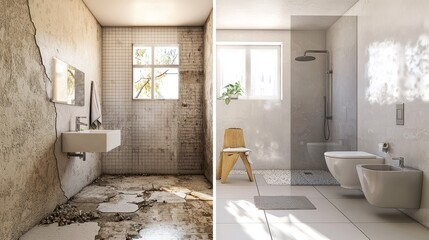
Bathroom remodeling design plays a critical role in the success of any renovation project. While materials and fixtures are important, the overall layout and visual harmony determine how the space will function and feel.
Bathrooms are often among the most frequently used areas in a home. Poor design can lead to limited storage, uncomfortable movement, and inefficient use of space. A thoughtful design ensures that the room remains practical while also creating a pleasant atmosphere.
Good design also improves the value of a home. Updated bathrooms with attractive layouts and modern finishes often appeal strongly to potential buyers. Even if a homeowner does not plan to sell soon, investing in thoughtful design can improve long term property value.
Beyond financial considerations, a well designed bathroom enhances daily comfort. From morning routines to relaxing evening moments, the design of the space influences how enjoyable and efficient these activities become.
Planning the Layout for Efficiency
The first step in bathroom remodeling design is creating a layout that supports efficient movement and accessibility. Even small bathrooms can feel spacious when the layout is carefully planned.
Designers often consider how people move within the room. Fixtures such as sinks, toilets, and showers should be positioned so that they do not interfere with each other. Clear pathways make the bathroom easier to navigate and prevent the space from feeling cramped.
Storage also plays a major role in layout planning. Cabinets, shelves, and vanities should be positioned where they are easy to access while maintaining an uncluttered appearance. Built in storage can help maximize space without overwhelming the room.
Another important consideration is the balance between open space and functional areas. A well planned bathroom allows for comfortable movement while still providing enough storage and utility.
By focusing on layout early in the design process, homeowners can create a bathroom that feels both spacious and practical.
Choosing Colors and Materials for a Cohesive Design
Color selection is one of the most noticeable aspects of bathroom remodeling design. The right color palette can transform the atmosphere of the room and influence how large or relaxing it feels.
Lighter colors are often used to make bathrooms appear larger and brighter. Shades of white, beige, and soft gray create a clean and timeless look that complements many design styles.
Darker tones can add depth and sophistication when used thoughtfully. Accent walls, cabinetry, or decorative tiles can introduce contrast while maintaining balance in the space.
Material selection is equally important. Bathroom surfaces must withstand moisture and frequent use, which makes durability a key factor. Tiles, sealed stone, and water resistant surfaces are commonly used for flooring and walls.
Combining textures such as smooth tiles, natural stone, or polished metals adds visual interest. The goal is to create a cohesive design where every element contributes to the overall style of the bathroom.
Selecting colors and materials carefully ensures that the finished space feels unified and inviting.
Lighting Design for Comfort and Functionality
Lighting plays a major role in bathroom remodeling design. Proper lighting improves visibility while also shaping the mood of the room.
Bathrooms typically require several types of lighting to function effectively. Overhead lighting provides general illumination that brightens the entire space. Task lighting near mirrors helps with grooming activities such as shaving or applying makeup.
Soft ambient lighting can create a relaxing atmosphere, especially in bathrooms designed for comfort and relaxation. This type of lighting may be placed around bathtubs or along walls to produce a calming effect.
Natural light is another valuable element in bathroom design. Windows or skylights allow sunlight to enter the room, reducing the need for artificial lighting during the day.
Balancing different lighting sources helps create a space that is both functional and visually pleasing.
Modern Features That Enhance Bathroom Design
Modern bathroom remodeling design often incorporates features that improve comfort and convenience. These elements help transform the bathroom into a more enjoyable and efficient space.
Walk in showers with glass enclosures have become popular in many renovations. These showers create an open and spacious appearance while providing easy access.
Freestanding bathtubs add elegance and relaxation to bathroom design. Their sculptural shapes often become focal points that enhance the visual appeal of the room.
Floating vanities are another modern feature that contributes to a contemporary look. By mounting the vanity slightly above the floor, designers create a sense of openness and make cleaning easier.
Advanced fixtures such as touchless faucets and digital shower controls add convenience and modern functionality. These features also improve hygiene and energy efficiency.
Incorporating modern elements can elevate the bathroom design while maintaining practicality.
Storage Solutions for an Organized Space
Effective storage is essential in bathroom remodeling design. Without adequate storage, even the most beautiful bathroom can quickly become cluttered.
Vanity cabinets provide space for everyday essentials such as toiletries and personal care items. Choosing a vanity with multiple drawers or compartments helps keep these items organized.
Wall mounted shelves offer additional storage while maintaining an open appearance. These shelves can hold towels, decorative items, or frequently used products.
Recessed storage niches within shower areas provide a convenient place for shampoos and soaps without occupying extra space.
Tall cabinets or built in storage units can also help maximize vertical space in the bathroom. These solutions keep the room tidy while preserving valuable floor space.
By integrating thoughtful storage solutions, homeowners can maintain a clean and organized bathroom environment.
Balancing Style and Practicality
A successful bathroom remodeling design balances visual appeal with everyday functionality. While aesthetics are important, the bathroom must also meet practical needs.
Durable materials ensure that surfaces remain attractive despite constant exposure to moisture and cleaning products. Choosing materials that are easy to maintain helps preserve the appearance of the space over time.
Accessibility is another important factor. Features such as wider walkways, walk in showers, and strategically placed fixtures make the bathroom comfortable for users of all ages.
Energy efficient fixtures can also contribute to long term practicality. Water saving faucets and efficient lighting reduce resource consumption while maintaining performance.
By considering both style and practicality, homeowners can create a bathroom that looks beautiful while serving its purpose effectively.
Conclusion: Designing a Bathroom That Combines Beauty and Function
Bathroom remodeling design offers homeowners the opportunity to transform a simple utility space into a comfortable and visually appealing retreat. Through careful planning, thoughtful layout choices, and well selected materials, a bathroom can become both functional and elegant.
From lighting and storage solutions to modern fixtures and cohesive color palettes, every design element contributes to the overall experience of the space. A well designed bathroom supports daily routines while providing moments of relaxation and comfort.
When design decisions are made with care and attention to detail, the result is a bathroom that enhances both the home and the quality of everyday living.